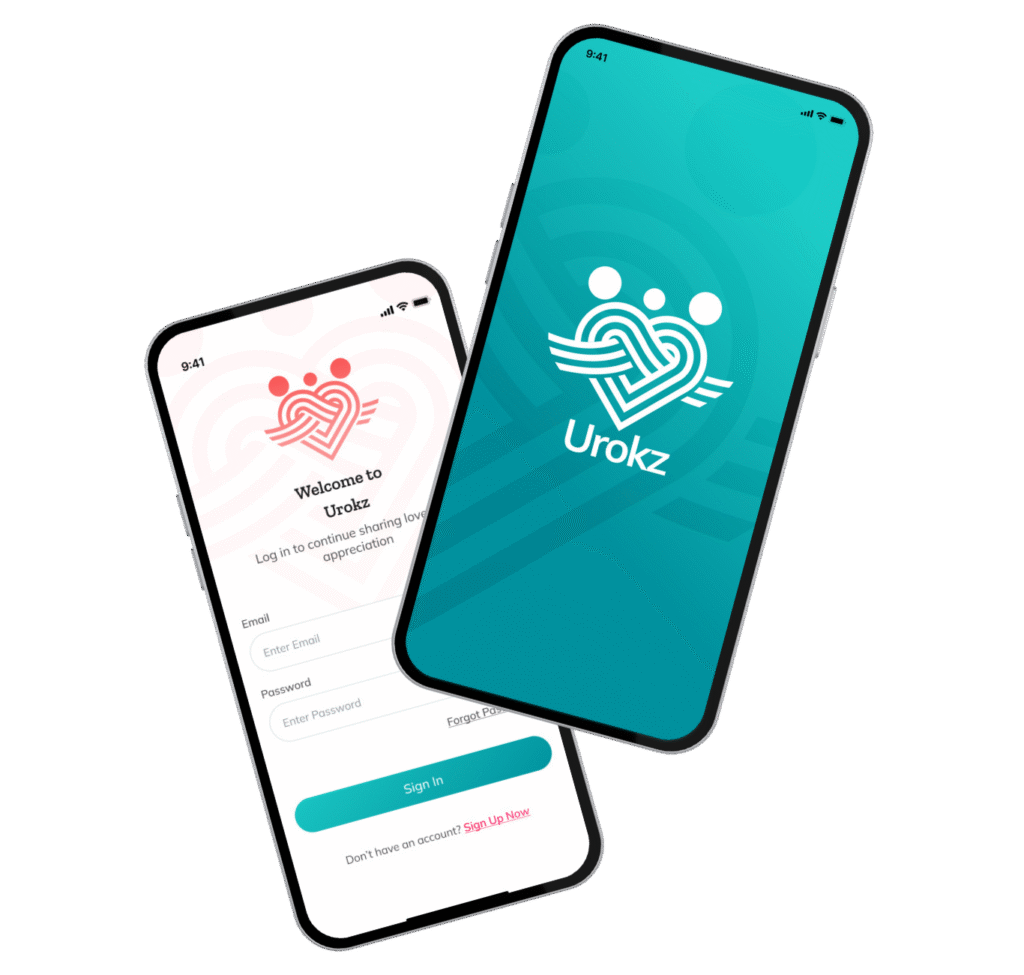

Technology has transformed nearly every aspect of modern life, from communication and education to business and healthcare. In recent years, it has also begun reshaping how people manage their emotional wellbeing. As conversations around mental health become more open and informed, a new category of digital tools has emerged, emotion centered apps built around gratitude, mindfulness, reflection, and psychological resilience.
These platforms represent a shift from purely productivity driven technology to tools that prioritize emotional awareness. Instead of simply helping users manage schedules or tasks, they aim to support mental balance and personal growth. Gratitude journals, mood tracking systems, guided reflection prompts, and digital appreciation tools are now available at the tap of a screen.
This rise reflects growing demand for accessible mental health resources. While therapy and counseling remain essential, many individuals seek daily habits that support emotional regulation and stress management. Emotion centered apps fill this space by offering structured yet flexible support.
In this article, we explore how gratitude intersects with technology, why emotion centered apps are gaining traction, and how they are influencing modern mental wellbeing practices.
The Psychology Behind Gratitude in the Digital Age
Gratitude has long been recognized in psychology as a powerful contributor to mental health. Studies in positive psychology demonstrate that regularly acknowledging positive experiences can reduce anxiety, improve mood, and strengthen resilience. Traditionally, gratitude practices involved journaling, prayer, or personal reflection. Today, technology has adapted these practices for modern lifestyles.
Emotion centered apps often incorporate gratitude prompts that encourage users to identify daily positives. This digital structure helps individuals build consistent habits. Notifications and reminders provide gentle cues that reinforce behavioral change, which is essential for long term psychological growth.
The digital format also appeals to younger generations who are comfortable integrating technology into every aspect of life. Rather than replacing traditional reflection, apps make it more accessible. For individuals with busy schedules, guided prompts simplify the process of emotional check ins.
Importantly, gratitude in digital form does not diminish authenticity. When designed thoughtfully, these tools create space for genuine reflection. They serve as frameworks that encourage introspection rather than automated responses.
In a time when screens often contribute to stress, emotion centered apps demonstrate that technology can also become a vehicle for emotional healing.
How Emotion Centered Apps Support Mental Wellbeing
Emotion centered apps focus on core psychological principles such as self awareness, emotional regulation, and cognitive reframing. Many include features like mood tracking, daily reflection prompts, affirmation exercises, and stress management techniques.
Mood tracking, for example, allows users to identify patterns in emotional fluctuations. Over time, this awareness helps individuals recognize triggers and develop healthier coping strategies. Data visualization tools make abstract feelings more concrete, which can reduce confusion and overwhelm.
Gratitude journaling within apps often includes structured guidance. Instead of simply asking users to write freely, prompts encourage deeper reflection, such as identifying personal growth moments or acknowledging supportive relationships.
Some platforms integrate mindfulness exercises or breathing techniques to regulate stress responses. These features align with established therapeutic methods, offering users accessible tools between formal counseling sessions.
By combining psychological research with user friendly interfaces, emotion centered apps bridge the gap between professional mental health resources and everyday self care. They empower individuals to take proactive steps toward emotional balance.
The Role of Technology in Reducing Mental Health Stigma
Mental health stigma has historically prevented many individuals from seeking help. Technology plays a unique role in reducing this barrier. Emotion centered apps provide private, accessible entry points for individuals hesitant to discuss emotional struggles openly.
Digital platforms normalize conversations about feelings by making them part of daily routine. When users regularly log moods or reflect on gratitude, emotional awareness becomes integrated into lifestyle rather than treated as a crisis response.
Online communities within some apps also create safe spaces for sharing experiences. While moderation and privacy remain critical, these communities foster connection and reduce isolation.
The normalization of emotional tracking through technology reflects broader cultural change. As mental health discussions become more visible on social media and digital platforms, individuals feel less alone in their experiences.
Emotion centered apps contribute to this shift by framing mental wellbeing as an ongoing practice rather than an emergency intervention. This preventive approach strengthens resilience and encourages long term emotional maintenance.
Balancing Screen Time and Emotional Health
While emotion centered apps offer benefits, it is important to address the paradox of screen use. Excessive digital engagement can contribute to stress, comparison, and distraction. Developers must design apps that enhance wellbeing without increasing dependency.
Successful emotion centered platforms prioritize simplicity and intentional interaction. Short, meaningful exercises prevent digital fatigue. Features such as limited notifications and focused reflection sessions encourage mindful usage rather than constant engagement.
Users also benefit from setting boundaries. Using an app for a brief gratitude entry or guided breathing exercise can be restorative. Prolonged scrolling through unrelated content, however, may undermine the intended benefits.
The key lies in using technology as a tool rather than a substitute for real world connection. Gratitude practices, whether digital or offline, are most effective when they inspire tangible appreciation and meaningful relationships beyond the screen.
When approached thoughtfully, emotion centered apps can coexist with healthy digital habits and contribute positively to mental wellbeing.
Workplace and Community Applications
Emotion centered apps are not limited to individual users. Many organizations incorporate gratitude and emotional tracking tools into workplace wellness programs. Recognizing employee contributions and encouraging reflection fosters a supportive environment.
Workplace appreciation initiatives supported by digital tools improve morale and reduce burnout. When employees feel acknowledged, engagement increases. Structured gratitude prompts help teams maintain perspective during high pressure periods.
Communities also benefit from technology driven emotional support systems. Schools, nonprofits, and local organizations use digital tools to promote mindfulness and resilience among members.
In smaller communities such as Mountain Home, Idaho, local businesses increasingly recognize the value of emotional wellbeing in both employees and customers. While industries differ, the principle remains consistent. When individuals feel valued and supported, performance and relationships improve.
Technology enables scalable solutions, making emotional wellness initiatives accessible across diverse sectors.
Data Privacy and Ethical Considerations
Emotion centered apps handle sensitive information. Mood logs, personal reflections, and behavioral patterns require strong privacy protections. Trust is fundamental when dealing with emotional data.
Developers must prioritize encryption, transparent data policies, and user control over personal information. Ethical design ensures that emotional insights are used solely to support wellbeing rather than for exploitative marketing practices.
Users should also remain informed about data storage practices. Reviewing privacy policies and selecting reputable platforms enhances security.
As this industry grows, regulatory frameworks may evolve to address digital mental health tools more comprehensively. Maintaining ethical standards will be critical to sustaining public trust.
Responsible innovation ensures that technology enhances emotional health without compromising confidentiality or autonomy.
The Future of Gratitude Driven Technology
The rise of emotion centered apps signals a broader transformation in how society approaches mental wellbeing. As artificial intelligence and personalized algorithms advance, future platforms may offer tailored gratitude prompts based on user behavior patterns.
Wearable devices may integrate emotional tracking with physiological data, creating more comprehensive wellness insights. Real time stress detection could trigger guided reflection exercises automatically.
However, the essence of gratitude remains human. Technology can guide and support, but authentic emotional growth requires personal intention. The most effective apps will continue blending scientific research with compassionate design.
As awareness of mental health continues expanding, gratitude driven technology will likely play a growing role in preventive care. Accessible digital tools complement traditional therapy and foster daily resilience practices.
The intersection of psychology and innovation demonstrates that technology, when designed thoughtfully, can nurture emotional strength rather than diminish it.
Key Takeaways
- Emotion centered apps combine psychology and technology
- Gratitude practices improve mental wellbeing and resilience
- Digital tools normalize emotional awareness
- Structured prompts help build consistent reflection habits
- Ethical design and privacy protection are essential
- Balanced usage ensures positive impact on mental health
- The future of emotional apps includes personalized support
Gratitude and technology may seem like unlikely partners, yet their intersection reflects an evolving understanding of mental health. By integrating psychological principles into digital tools, emotion centered apps offer accessible pathways toward resilience, reflection, and lasting wellbeing.
You can download the app from the Google Play Store: Best Gratitude App
You can also find it on the App Store: Best Gratitude App
Frequently Asked Questions
Emotion centered apps are digital platforms designed to support mental wellbeing through gratitude, mood tracking, mindfulness, and reflection exercises.
Gratitude shifts focus toward positive experiences, reduces stress responses, and strengthens emotional resilience over time.
No, they are supportive tools that complement professional care but do not replace licensed mental health treatment when needed.
Yes, when used intentionally and ethically, technology can provide structure, accessibility, and daily support for emotional growth.
Reputable apps with transparent privacy policies and strong data protection measures are generally safe, but users should review terms before sharing personal information.