
Appreciation is one of the most underestimated forces in human relationships. While people often focus on communication skills, conflict resolution, or shared experiences, appreciation quietly shapes how safe, valued, and connected individuals feel. Psychology consistently shows that relationships thrive not because of perfection, but because people feel acknowledged and emotionally supported.
In everyday life, appreciation is often assumed rather than expressed. People believe their care is understood, yet unspoken gratitude creates emotional gaps. Over time, these gaps weaken trust, reduce emotional intimacy, and increase feelings of disconnection. Appreciation, when practiced intentionally, fills these gaps by reinforcing positive emotional bonds.
Modern psychology views appreciation as more than politeness. It is a form of emotional validation that signals recognition, respect, and presence. Whether between partners, friends, family members, or colleagues, appreciation strengthens relationships by meeting fundamental psychological needs.
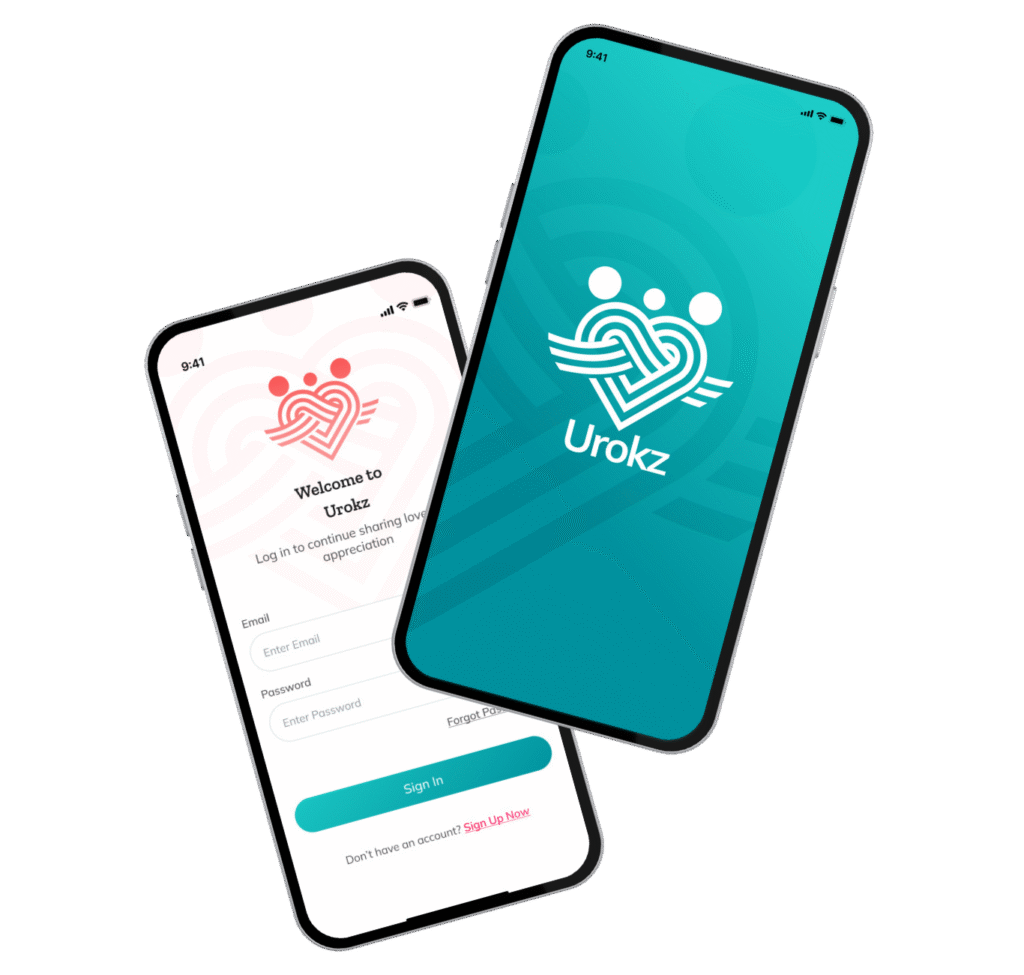
With the rise of digital tools focused on emotional wellness, platforms like Urokz have transformed appreciation into a daily, intentional practice. As a gratitude app, Urokz helps users express appreciation consistently without pressure or emotional fatigue. Understanding the psychology behind appreciation explains why small, regular expressions of gratitude can create lasting relationship strength.
The Psychological Foundation of Appreciation in Human Bonds
From a psychological perspective, appreciation directly influences how secure people feel in their relationships. According to attachment theory, individuals seek reassurance that they matter to others. Appreciation provides this reassurance in a simple but powerful way by affirming that a person’s actions, presence, or efforts are noticed.
Neuroscience also supports the impact of appreciation. When people receive genuine appreciation, the brain releases dopamine and oxytocin. Dopamine reinforces positive behavior, while oxytocin strengthens emotional bonding and trust. This biological response explains why appreciation feels emotionally rewarding and why it motivates people to maintain relationships.
Cognitive psychology highlights another important aspect. Humans naturally focus more on negative experiences than positive ones, a phenomenon known as negativity bias. Appreciation counteracts this bias by intentionally highlighting positive contributions. Over time, this shifts how individuals perceive their relationships, making them feel more balanced and supportive.
A gratitude app helps operationalize these psychological benefits. Instead of relying on memory or emotional energy, users have a structured way to express appreciation regularly. This consistency reinforces emotional security and strengthens bonds without requiring dramatic gestures or constant emotional effort.
How Appreciation Strengthens Emotional Trust and Safety
Trust is not built solely through reliability or honesty. Emotional trust depends on feeling valued and respected. Appreciation plays a crucial role in building this emotional trust by validating a person’s importance within a relationship.
When appreciation is expressed, it communicates that someone’s efforts matter. This reduces uncertainty and emotional anxiety, particularly in relationships where individuals may fear being taken for granted. Over time, consistent appreciation creates a sense of emotional safety where people feel comfortable being vulnerable.
Psychological research shows that emotional safety encourages openness, empathy, and cooperation. People are more likely to communicate honestly, resolve conflicts calmly, and support each other when appreciation is present. In contrast, relationships lacking appreciation often experience defensiveness, withdrawal, or resentment.
Using a gratitude app makes emotional reinforcement more reliable. Rather than waiting for special moments, appreciation becomes part of everyday interaction. Urokz allows users to express appreciation quietly and intentionally, supporting emotional trust without overwhelming communication.
By reinforcing emotional safety through small acts of gratitude, relationships become more resilient. Appreciation acts as emotional maintenance, preventing disconnection before it turns into conflict.
Appreciation in Romantic Relationships and Long Term Connection
Romantic relationships often decline not because of major failures, but because appreciation fades. Early stages of relationships are filled with acknowledgment and admiration, yet over time, familiarity replaces intentional gratitude.
Psychology suggests that feeling appreciated is one of the strongest predictors of relationship satisfaction. Partners who regularly express appreciation report higher levels of commitment, emotional intimacy, and conflict resilience. Appreciation reassures partners that their efforts and presence are meaningful.
In long term relationships, appreciation also supports emotional balance. It reduces power struggles and prevents emotional withdrawal by keeping positive reinforcement active. Small acknowledgments of effort, support, or understanding help partners feel emotionally invested.
A gratitude app supports this dynamic by making appreciation accessible even during stressful or busy periods. Instead of requiring lengthy conversations, users can share thoughtful affirmations that reinforce connection. This is especially valuable for individuals who struggle with verbal expression or emotional fatigue.
By embedding appreciation into daily life, romantic relationships maintain emotional closeness without relying on constant emotional intensity.
The Role of Appreciation in Friendships and Family Relationships
Friendships and family bonds often rely on shared history rather than ongoing emotional reinforcement. While these relationships may feel secure, lack of appreciation can slowly weaken emotional connection.
Psychological studies indicate that friendships thrive when appreciation is mutual and expressed. Acknowledging support, loyalty, or presence strengthens social bonds and reduces feelings of neglect or imbalance. Family relationships also benefit when appreciation replaces assumptions.
In families, unspoken gratitude can lead to emotional distance. Parents, siblings, and relatives often expect understanding without verbal acknowledgment. Appreciation helps break this cycle by making emotional recognition explicit.
A gratitude app provides a neutral and intentional space for expressing appreciation across different relationship types. It removes the awkwardness that sometimes accompanies verbal gratitude, especially in family dynamics.
Through small, consistent expressions of appreciation, friendships and family relationships remain emotionally alive rather than becoming purely functional or habitual.
Why Consistent Appreciation Outperforms Occasional Grand Gestures
Many people believe appreciation must be dramatic to be meaningful. Psychology suggests the opposite. Consistency has a greater emotional impact than intensity.
Small, frequent expressions of appreciation create predictable emotional reinforcement. This predictability builds trust and emotional stability. Grand gestures, while memorable, are rare and cannot sustain long term emotional connection alone.
Behavioral psychology explains this through reinforcement theory. Regular positive reinforcement strengthens behavior and emotional attachment more effectively than sporadic rewards. Appreciation works the same way in relationships.
A gratitude app enables this consistency by reducing friction. Instead of relying on emotional energy or perfect timing, users can express appreciation in manageable ways. Urokz supports this approach by focusing on simplicity and emotional intention.
By prioritizing regular appreciation, relationships benefit from steady emotional nourishment rather than emotional highs followed by long gaps.
How a Gratitude App Supports Emotional Intelligence
Emotional intelligence involves recognizing emotions, understanding their impact, and responding appropriately. Appreciation enhances emotional intelligence by encouraging awareness of others’ contributions and emotional needs.
Practicing appreciation regularly trains individuals to notice positive behaviors and emotional support. This awareness improves empathy and reduces reactive behavior during conflict.
A gratitude app reinforces emotional intelligence by prompting reflection and intentional expression. Instead of reacting impulsively, users choose how and when to express appreciation. This mindful process strengthens emotional regulation.
Urokz is designed to support this emotional growth without social pressure. It avoids public validation and comparison, allowing appreciation to remain personal and authentic.
Over time, consistent use of a gratitude app helps users become more emotionally attuned, improving not only relationships but overall emotional well being.
Long Term Psychological Benefits of Practicing Appreciation
The benefits of appreciation extend beyond individual relationships. Psychology links gratitude practices to reduced stress, improved mood, and greater life satisfaction.
People who regularly express appreciation develop more positive cognitive patterns. They focus less on perceived shortcomings and more on meaningful connections. This cognitive shift improves resilience and emotional stability.
In relationships, long term appreciation reduces burnout and emotional exhaustion. When people feel valued, they are more willing to invest emotionally and support others.
A gratitude app helps sustain these benefits by making appreciation a habit rather than a temporary practice. Urokz provides continuity, allowing users to build an emotional archive of positive interactions.
The long term result is stronger relationships, improved mental health, and a more balanced emotional life.
Key Takeaways
- Appreciation strengthens relationships by meeting core psychological needs
- Emotional validation builds trust, safety, and long term connection
- Consistent appreciation is more effective than occasional grand gestures
- Psychology shows appreciation improves emotional and mental well being
- A gratitude app supports sustainable, intentional gratitude practices
- Urokz helps users express appreciation without pressure or emotional overload
Explore Urokz
Website: https://urokz.com/
Google Play Store: Gratitude App
App Store: Gratitude App
Frequently Asked Questions
Appreciation reinforces emotional security, trust, and connection, which are essential for healthy relationships.
Appreciation activates reward and bonding chemicals in the brain, strengthening emotional attachment and positive behavior.
While it does not eliminate conflict, appreciation increases emotional safety and cooperation, making conflicts easier to resolve.
A gratitude app provides structure, consistency, and emotional ease, making appreciation more sustainable over time.
Yes, Urokz is designed to support low pressure, intentional appreciation for users with different emotional communication styles.